
Navigating the healthcare landscape can be daunting. Increasingly, individuals and families are turning to a compassionate and practical alternative: home health care. This article aims to provide a comprehensive understanding of home health care, addressing common questions and concerns about this important service. By demystifying what it is, how it works, and who it serves, we hope to empower you to make informed decisions about your healthcare options.
1. What is Home Health Care?
1.1 Definition and Overview
Home health care is a wide range of skilled medical and non-medical services delivered in a patient’s own residence to promote, maintain, or restore health, or to minimize the effects of illness and disability. It is a formal, stuctured service provided by licensed professionals as prescribed by a physician. Crucially, it is distinct from non-medical home care , as it focuses on treating an existing medical condition or facilitating recovery.
1.2 Services Provided
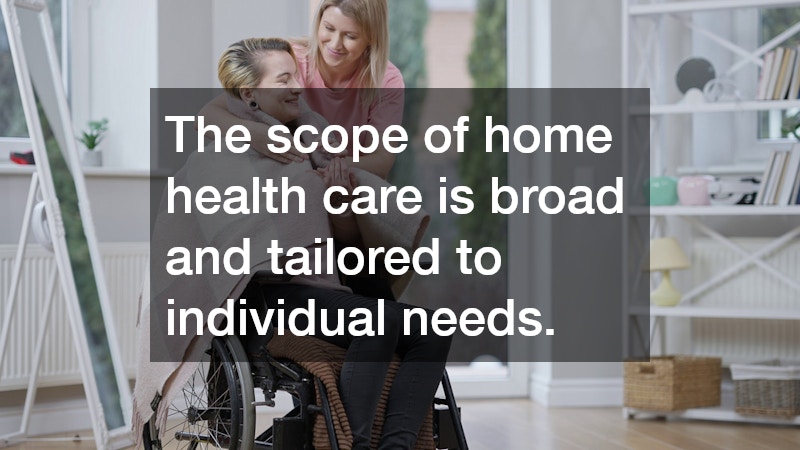
The scope of home health care is broad and tailored to individual needs. Key services often include:
Skilled Nursing: Wound care, medication management, injections, monitoring vital signs, and patient education.
Physical Therapy: Exercises to restore mobility, strength, and balance following surgery or injury.
Occupational Therapy: Assistance in relearning daily activities to regain independence.
Speech-Language Pathology: Therapy for patients recovering from strokes or dealing with swallowing difficulties.
Medical Social Work: Providing counseling and connecting patients with community resources and support systems.
Home Health Aide Services: Assistance with personal care tasks under the supervision of a professional.
1.3 Who Can Benefit
Home health care is ideal for anyone who needs professional care but prefers the comfort and familiarity of home. This includes seniors managing chronic conditions like heart disease or diabetes, patients recovering from hospitalization, individuals with disabilities, and those requiring palliative or post-operative care. It is designed for people who are essentially homebound, meaning leaving home requires considerable and taxing effort.
2. How Does One Qualify for Home Health Care?
2.1 Eligibility Criteria
Qualification typically requires meeting several conditions: you must be under the care of a physician who certifies the need for home health services; you must require intermittent skilled nursing care or therapy; and you must be certified as “homebound,” as defined by Medicare and most insurance providers. The care must be deemed reasonable and necessary for the treatment of your illness or injury.
2.2 Referral Process
The process usually begins with a physician’s order. Following a hospital stay, the discharge planner often facilitates the referral. A Medicare-certified home health agency can also be contacted directly. The agency will then conduct an initial assessment to evaluate your needs and develop a personalized plan of care in consultation with your doctor.
2.3 Insurance and Coverage
Medicare Part A and/or Part B typically cover home health care services in full if you meet the eligibility criteria, with no out-of-pocket cost for the services themselves. Medicaid also provides coverage, though benefits vary by state. Most private insurance plans and managed care organizations offer home health benefits, but co-pays or visit limits may apply.
3. What Are the Benefits of Home Health Care?
3.1 Convenience and Comfort
Receiving care at home eliminates the stress and disruption of frequent travel to clinics or hospitals. Healing often occurs more quickly and effectively in a comfortable, familiar environment, surrounded by personal belongings and loved ones.
3.2 Personalized Care Plans
Unlike institutional settings, home health care is one-on-one and highly personalized. The care plan is specifically designed for the patient’s unique situation and goals, allowing for focused attention and adjustments as needs change.
3.3 Cost-Effectiveness
Home health care is significantly less expensive than inpatient hospital stays or long-term residence in a skilled nursing facility. It is a cost-efficient way to receive high-quality, skilled medical care, preventing unnecessary hospital readmissions.
4. What Challenges Exist in Home Health Care?
4.1 Resource Limitations
The home environment may not have the same immediate access to advanced medical equipment or a full team of specialists available in a facility. Care is intermittent, so planning for gaps in coverage is necessary.
4.2 Coordination of Care
Effective home health relies on seamless coordination between the physician, the home health agency, the patient, and the family. Communication breakdowns can sometimes occur, making it vital to have a clear point of contact and to actively participate in care planning meetings.
Home health care offers a dignified, effective, and often preferable alternative for individuals needing skilled medical support while allowing them to maintain their independence and quality of life at home. While challenges like care coordination and resource limits exist, the benefits are profound. By understanding the ins and outs of home health care, individuals and families can confidently navigate this option to make informed decisions that best suit their healthcare needs.