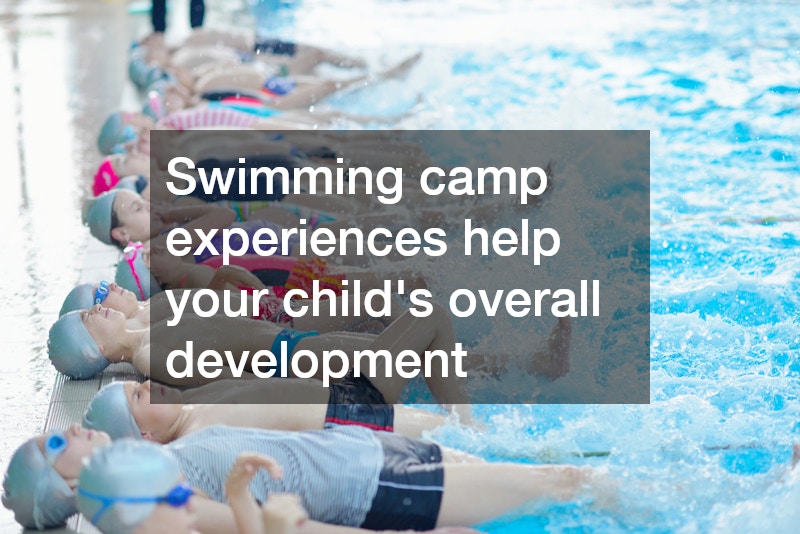

This section introduces the importance of summer camps for swimming, highlighting the benefits of sending kids to these camps. Summer camps provide an immersive environment where children can learn and enjoy new activities, such as swimming, which contributes to their physical and mental well-being. Swimming is a life skill that can lead to safer recreational experiences and can even spark an interest in competitive sports. Moreover, summer camps create an environment where children develop social skills by interacting with peers. Encouraging children to participate in swimming camps can lead to lifelong positive habits.
1. What benefits does swimming offer to my child?
Swimming is an excellent form of exercise that strengthens a child’s cardiovascular health, builds muscle strength, and enhances flexibility. Regular swimming helps children maintain a healthy weight, which can reduce the risk of childhood obesity. Additionally, swimming improves coordination and balance, which benefits overall motor skills development. Swimming also promotes mental health by reducing stress and anxiety, helping children develop a sense of calm and focus. Furthermore, as a life skill, swimming boosts children’s confidence and promotes independence.
Participation in swimming can lead to positive social interactions and friendships. When children swim together, they learn the importance of teamwork, cooperation, and communication. This fosters a sense of belonging and can lead to improved self-esteem. Additionally, swimming with others in a camp setting encourages children to share experiences and support each other, building camaraderie. These interactions lay the foundation for strong social skills that benefit children throughout life.
Swimming also provides safety benefits, as it equips children with the skills to enjoy water activities safely. Learning to swim can be lifesaving and is an essential skill for children who live near water or frequently participate in water-related activities. By learning to swim proficiently, children increase their awareness of water safety rules and the importance of respecting aquatic environments. This education is crucial for preventing drowning accidents, making swimming an invaluable skill for children to master. Encouraging this skill at an early age can ensure safer lifelong enjoyment of water activities.
2. How is a summer camp setting unique for learning swimming?
A summer camp environment offers an immersive and focused setting for learning swimming, unlike regular swimming lessons. At camp, children are surrounded by peers engaged in the same learning experience, fostering motivation and enthusiasm. Each day at camp provides dedicated time for swimming practice, encouraging consistent progress and improvement. The structured daily schedules at camp offer various swimming lessons and water activities tailored to different skill levels. This variety allows children to enhance their swimming abilities at a pace comfortable for them.
Summer camps also provide access to qualified coaches and instructors who specialize in teaching children how to swim. These professionals offer personalized guidance, correcting techniques and providing support to ensure a safe and effective learning experience. Instructors often incorporate fun games and activities into lessons, which keeps children engaged and excited about learning. The expertise of camp instructors ensures that children not only learn to swim confidently but also develop a genuine love for the sport. Having skilled swimmers as role models encourages kids to aspire toward proficiency.
Furthermore, the camp setting fosters a sense of adventure and exploration when it comes to swimming. Outdoor environments, such as lakes, rivers, and pools, add variety and challenge to swimming sessions. Children become comfortable with different aquatic environments, enhancing their adaptability and survival skills. The immersive nature of camp allows children to apply their swimming skills across different settings, building versatility and competence. This adaptability enriches their overall swimming experience, contributing to a well-rounded aquatic education.
3. What are the signs of a good swimming summer camp?
When selecting a swimming summer camp, parents should look for key indicators of a high-quality program. A reputable camp will have certified instructors with experience in teaching children to swim, ensuring an educational and safe experience. Accreditation by recognized organizations, such as the American Camp Association, indicates adherence to established standards. Parents should also consider camps that emphasize safety measures, such as lifeguard supervision, clear safety protocols, and proper swimmer-to-instructor ratios. A well-organized camp will communicate these safety precautions clearly to parents.
In addition to experienced staff, a good swimming camp will offer a comprehensive curriculum tailored to various skill levels. Programs should include progressive lessons that build on existing skills while introducing new techniques and water safety lessons. The camp should provide a balanced mix of instruction, practice, and fun activities to keep children engaged. It is also beneficial for camps to offer swim competitions or challenges that motivate children to apply what they’ve learned in a fun and supportive environment. Such experiences enhance learning and promote a strong sense of accomplishment.
Moreover, a quality camp will emphasize the importance of building community and fostering friendships among campers. Programs that integrate social activities, team-building exercises, and interactive games create a supportive and fun atmosphere. Parents can look for camps with testimonials or references that speak to the positive experiences of previous campers. A camp that prioritizes a positive and inclusive environment will help children develop not just swimming skills, but also social connections and memories that last a lifetime. Camps that offer a well-rounded experience are often the most beneficial for children’s development.
4. How can swimming camp experiences help in my child’s overall development?
Swimming camps play a significant role in a child’s overall development by promoting physical, social, and emotional growth. Physical development is supported through regular swimming, which improves cardiovascular health and core strength. This increased physical activity not only benefits physical health but also enhances mood and mental well-being. Swimming camps teach children essential life skills, such as discipline, dedication, and resilience, as they strive to improve their abilities. These skills are transferable to other areas of life, providing a foundation for lifelong growth.
Social development is another critical aspect cultivated through swimming camps. The group setting encourages children to interact with peers, build friendships, and develop communication and teamwork skills. Pool-based activities require collaboration, teaching children to respect others and celebrate collective achievements. The bond formed among campmates often leads to enduring friendships, giving children a sense of belonging. Camp provides an inclusive environment where every child feels valued, fostering self-esteem and social confidence.
Emotionally, swimming camps encourage independence and self-reliance by allowing children to manage their daily routines and challenges. Camp activities test emotional resilience, encouraging children to take risks, learn from mistakes, and achieve personal goals. As they master swimming skills, children gain a sense of pride and accomplishment, bolstering self-confidence. This empowerment extends beyond the pool, influencing a child’s approach to future challenges. The supportive camp environment cultivates a healthy perspective on competition, disappointment, and success, improving emotional intelligence and adaptability.
5. What should I consider when choosing a swimming summer camp?
Choosing the right swimming summer camp involves several important considerations to ensure a rewarding experience for your child. Parents should first consider the camp’s location and facilities, ensuring they offer safe and well-maintained swimming environments. Accessibility is important, as a nearby camp can make drop-off and pick-up more convenient. The camp’s duration and schedule should align with your family’s plans, allowing your child to experience all the benefits without conflicting commitments. Additionally, consider the camp’s philosophy and ensure it’s aligned with your child’s interests and your family’s values.
Budget is another significant factor in choosing a swimming camp. Camp costs can vary widely, so it’s important to evaluate the fees in relation to the provided programs and activities. Some camps offer scholarships or financial aid to help make the experience more accessible. Evaluating the value offered by the camp regarding its programs, instructor expertise, and additional resources is crucial. It’s worth investing in a camp that ensures high-quality care and a memorable experience for your child.
Finally, the camp’s reputation and feedback from past participants provide valuable insights. Research reviews or ask for testimonials from other parents to understand the camp’s strengths and weaknesses. A well-received camp typically indicates satisfied camp participants and families. It’s also beneficial to engage with the camp directors or staff to address any specific questions or concerns. Good communication from the camp is a positive sign of their commitment to providing a positive, enriching experience for all campers.
This section summarizes the primary reasons why a summer camp for swimming could be a beneficial choice for your child, reinforcing the key points covered in the article. Swimming camps offer a blend of physical exercise, skill development, and social interaction that positively influences a child’s overall growth. The immersive nature of camp provides unique learning opportunities in a fun, engaging environment. By choosing a reputable camp, parents can ensure their children receive high-quality instruction and gain valuable life skills. Ultimately, swimming camps represent an investment in a child’s health, happiness, and future abilities.